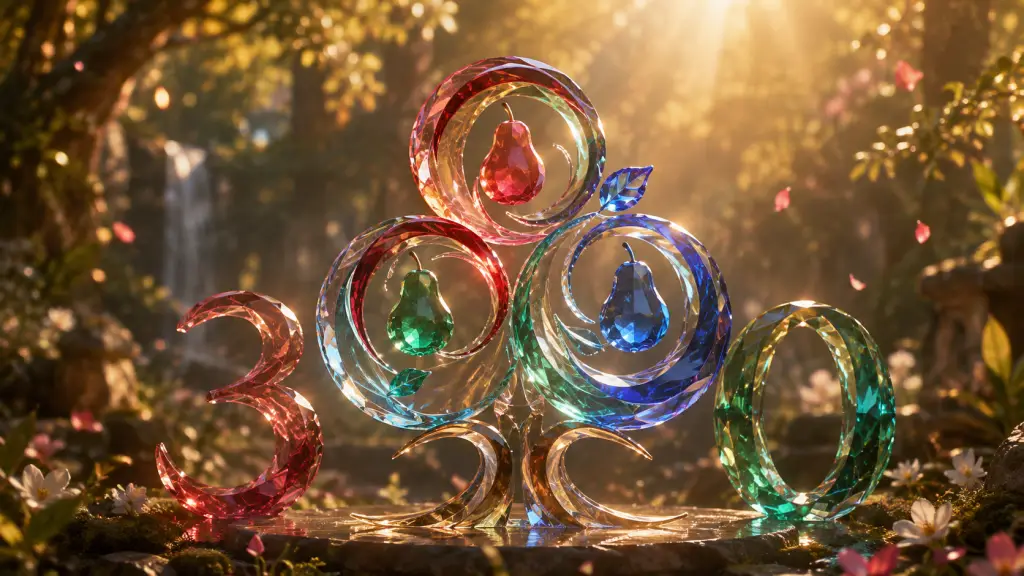
ICRL Turns 30!
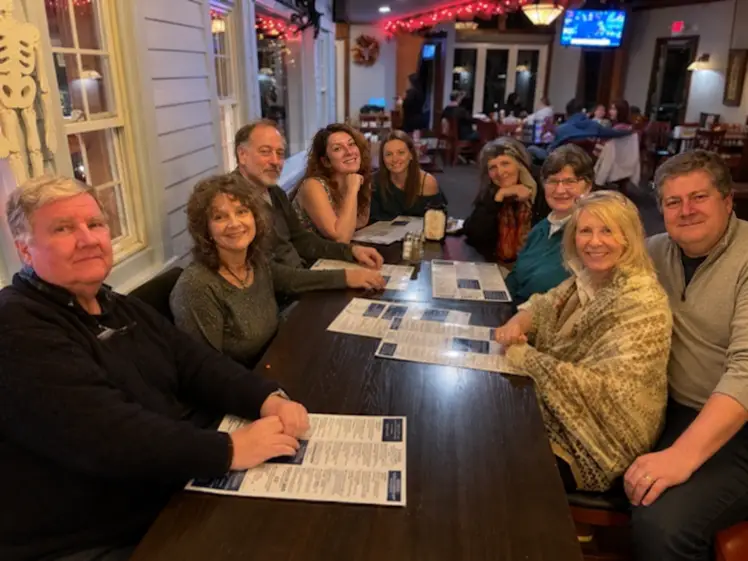
In August of this year, ICRL hit the big 3-0. Thirty years. This puts us safely into the category of vintage, arguably classic, and (fortunately) not even remotely antique. It’s not a bad place to be, as those of us who sailed past that age a few decades ago can attest, and when it comes to organizations, it’s fair to call it downright respectable… especially when we realize that it makes ICRL older than PEAR.
So how does an international research organization celebrate something like this? Hold a conference? Host a series of seminars? Undertake a bold new experiment? Perhaps, for inquiry and understanding are essential tools of research. But we’re not talking about just any old kind of research. We’re talking about researching consciousness, and that’s a very different thing than your average academic discipline. Subjectivity is non-negotiable here. True understanding in this field means understanding with one’s heart every bit as much as (and likely more than) understanding with one’s head.
Consciousness… and the very nature of reality… are about connections, about relationships. Research here cannot end with theories, dogma, or publications because truly understanding these ideas requires living them. And living requires space… and beauty… and the right balance between challenge and safety. It requires companionship and laughter, good food and fresh air. It requires fun.
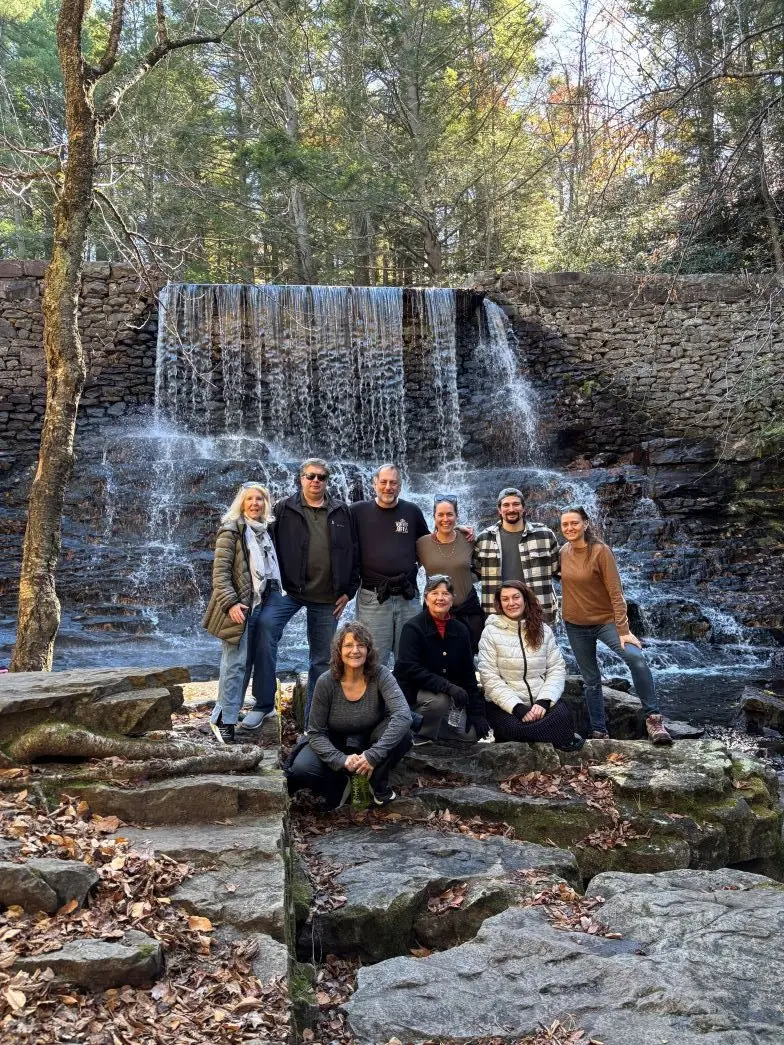
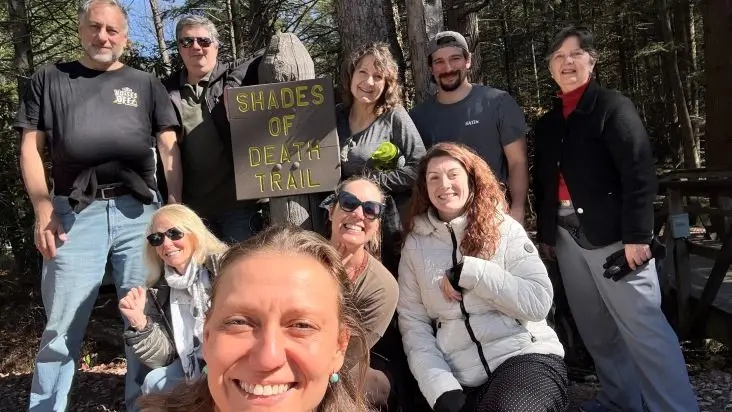
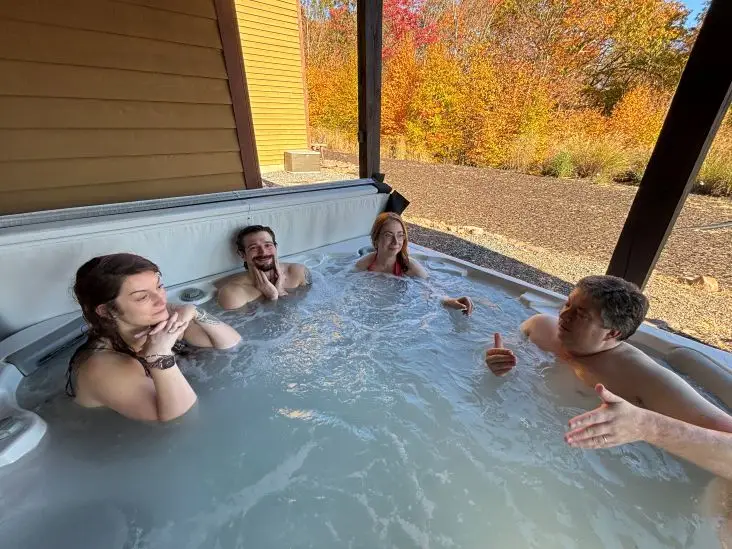
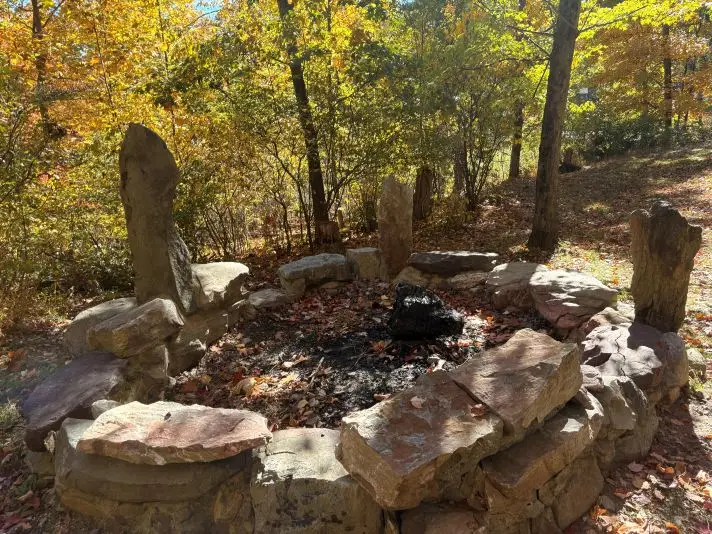
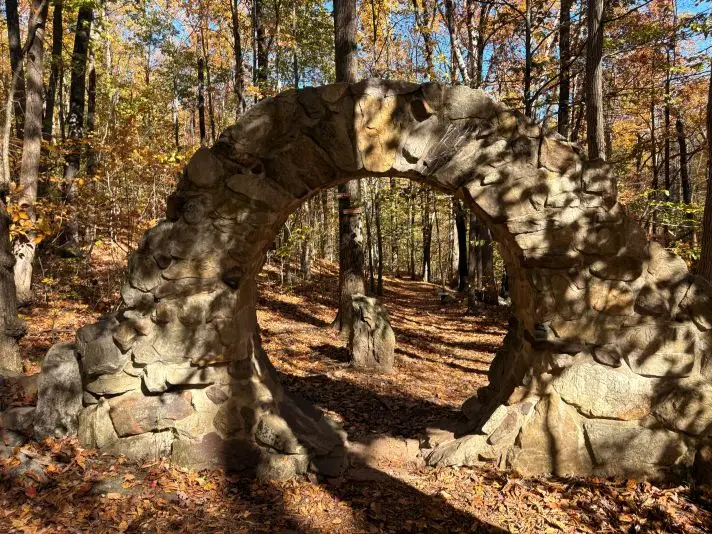
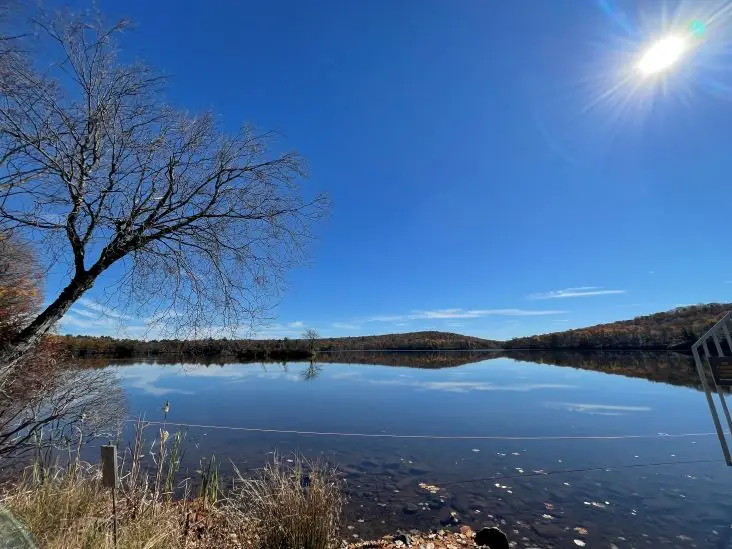
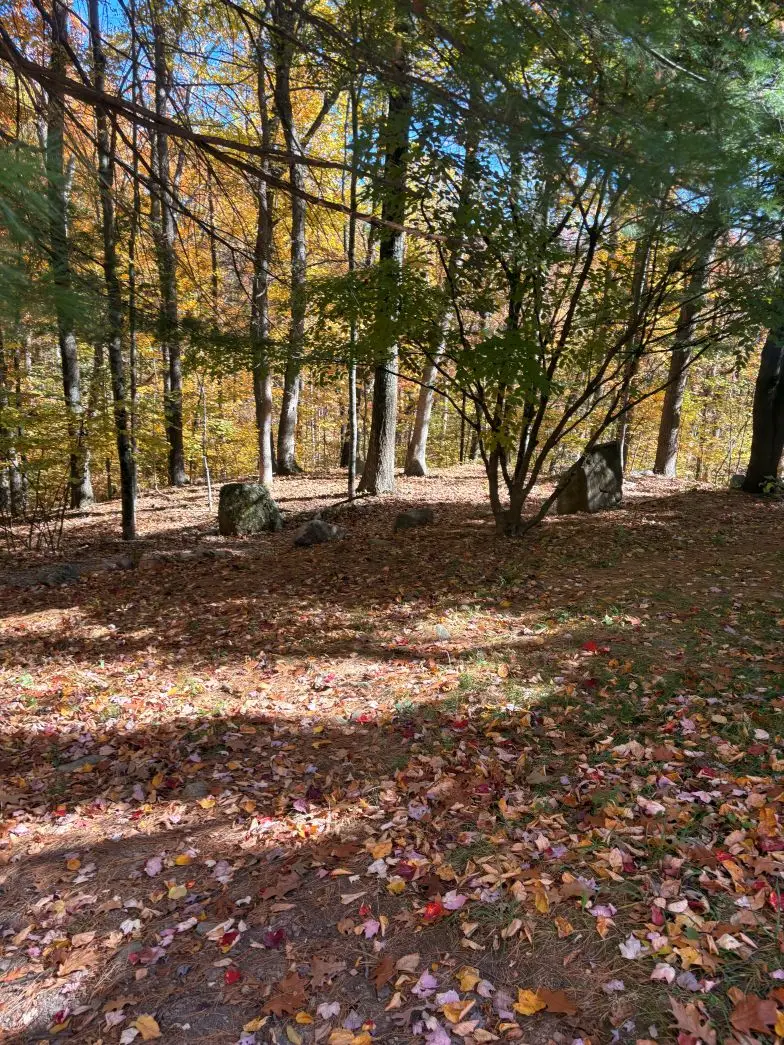
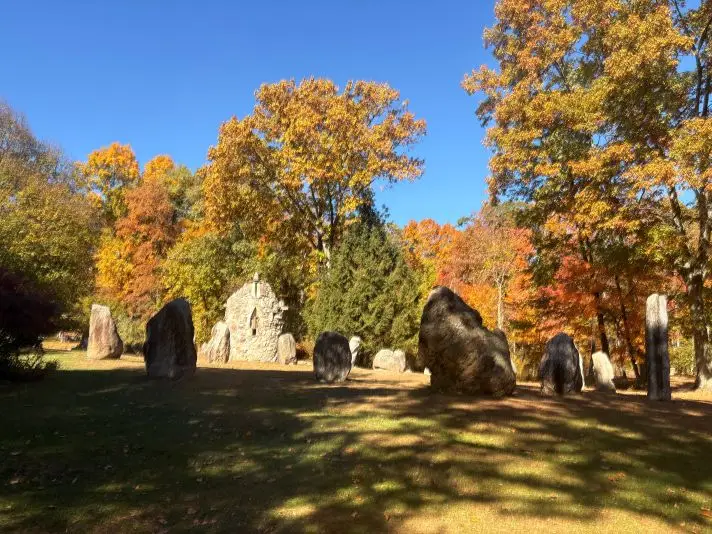
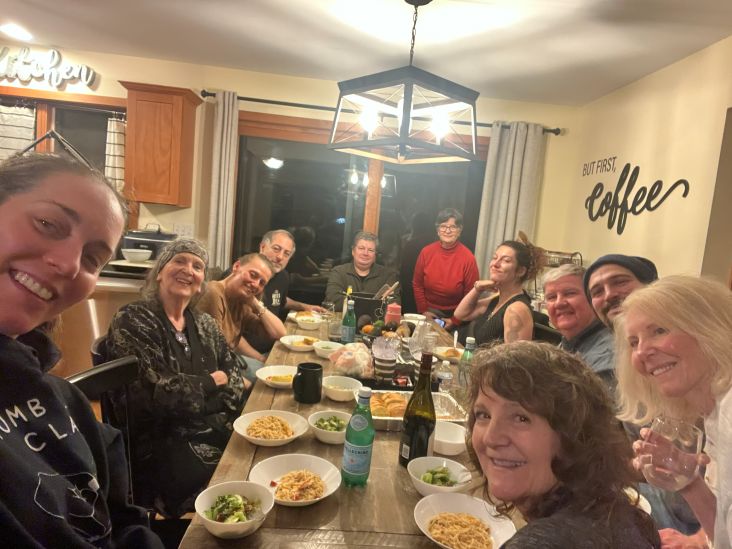
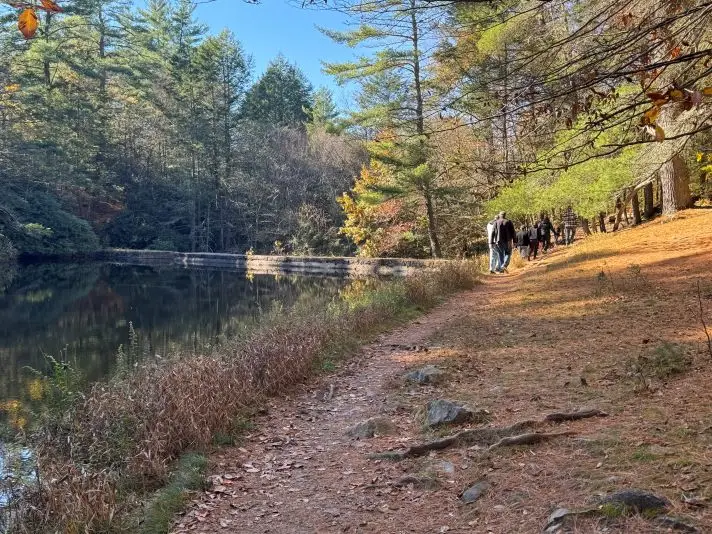
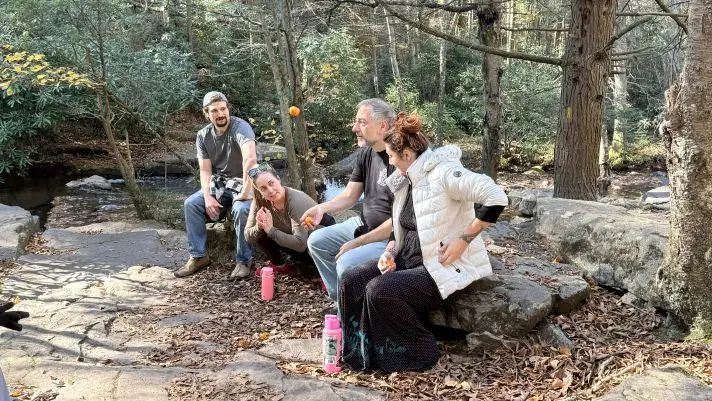
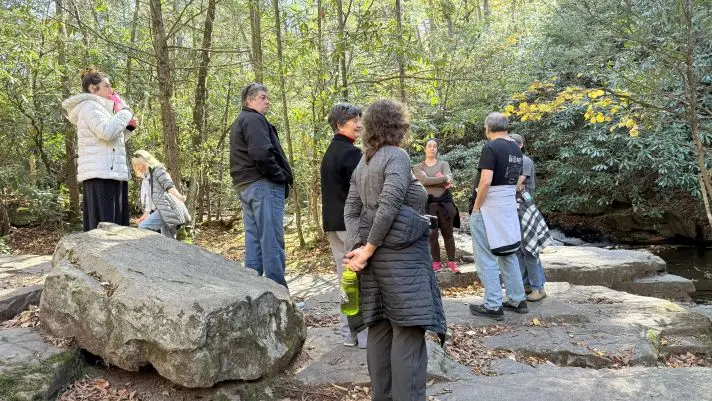
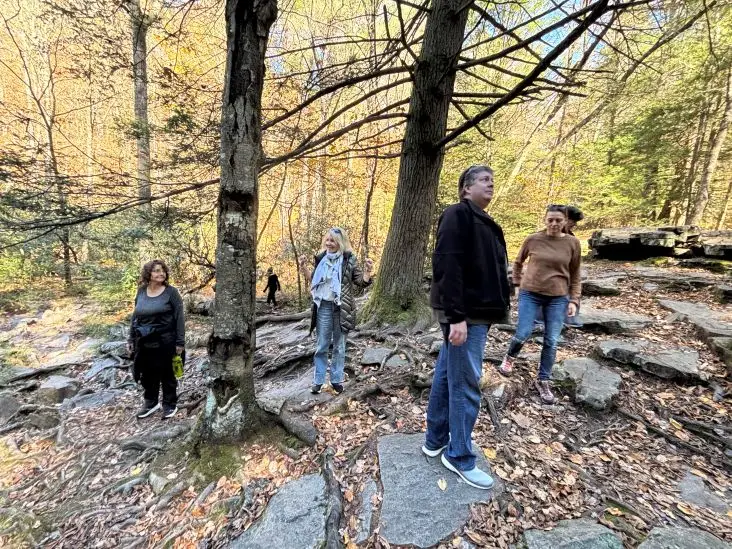
So that’s what we did. Over four days in the beautiful Pocono Mountains of Pennsylvania, we explored new ideas fearlessly, shared our stories compassionately, challenged our assumptions playfully, and strengthened new and old connections by celebrating our similarities and differences. In a nutshell, we played and practiced interconnectedness.
For me, the weekend was the perfect representation of what makes ICRL unique and joyful. We put an understanding of consciousness into practice — not as a lesson or formula or a pile of statistics, but as a way of living. We demonstrated that heart, mind, and spirit can all be nurtured simultaneously.
Perhaps that’s the best way to go about changing the world. And even if not, it’s unquestionably something worth celebrating.
So here’s to the future. Here’s to everyone who has been part of ICRL’s first thirty years, whether for decades or just a few days, with thanks for being part of this journey. And to the next thirty years of discovery, friendship, laughter, and whatever else the universe has in store for us.


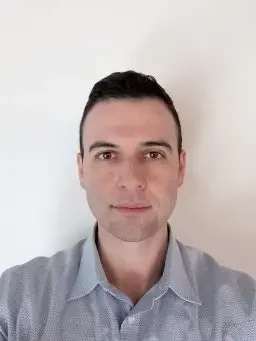
 Vasileios Basios is a physicist, conducting interdisciplinary research on the foundations of complexity science and nonlinear systems, self-organization and complex matter. During his formative years, he was tutored by Ilya Prigogine, at ULB where he received his PhD, and by Emilios Bouratinos on meditation and philosophy. He is currently interested in the complex interface between action and information. Other interests include the history of ideas in science and their role in the transformation of science beyond the prevailing naïve, materialistic, mechanistic-reductionist world-view. With others from PEAR, he initiated the Mind-Matter-Mapping Project and has since published several essays for ICRL. He is also a member of the Board of the Scientific and Medical Network and the Steering Team of the Galileo Commission. Vasileios is inspired by the prospect of introducing self-reflection into the practice and understanding of science, and the emergence of a Self-Reflexive Science of Consciousness.
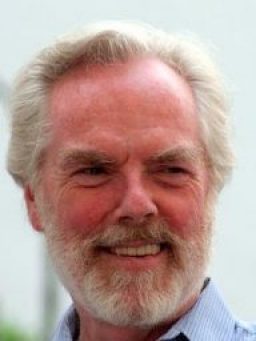
 Bob (Brahmatirtha) was born in Newark, New Jersey, in 1949, completed his B.S. in Chemistry at Rensselaer Polytechnic Institute in 1971, and received his M.S. in Geology from Rutgers University in 1975. After a twenty-year career serving as a geologist and vice-president of a large regional environmental company, he currently works as an environmental consultant to state governments. He has been a member of the Bhaktivedanta Institute since the inception in 1976, giving a presentation at their First International Conference on Life Comes from Life in 1977, and working on a multitude of projects with R.L. Thompson (Sadaputa) from 1995 through 2008. He is also a certified court mediator. He now serves as the Director of the Bhaktivedanta Institute for Higher Studies.
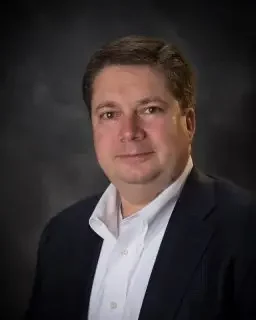
 Ian Cook is a Professor of Psychiatry and Biobehavioral Sciences at the David Geffen School of Medicine at UCLA, where he directs the UCLA Depression Research and Clinic Program at the Semel Institute and was the inaugural holder of the Joanne and George Miller and Family Endowed Chair in Depression Research at the Brain Research Institute. He has been a part of the PEAR/ICRL family since 1980, when he was among the first undergraduate students to conduct research at the PEAR lab. He graduated from the Yale School of Medicine and pursued his residency training and research fellowship at UCLA. His research has focused on understanding the relationships among the mind, the brain, and the body, and in translating developments in technology into more effective treatments for disorders of mood and cognition.
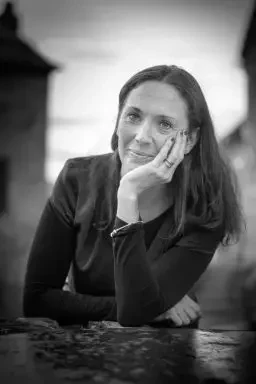
 degree from Hollis University and has accumulated a diverse work experience, spanning multiple disciplines: education, technology, business and law, predominately in support and administrative roles. She currently works for the College of New Jersey in its Office of Disability Support Services. Lynn Ann has been an administrative assistant to ICRL’s President since 2011, and has extensive familiarity with the organization’s structure and activities, along with a deep commitment to its mission.



 The largest dataset collected at PEAR used Random Event Generators, or REGs. These devices were essentially electronic coin flippers that produced a series of 1’s and 0’s; operators were instructed to influence the machines to produce more 1’s than 0’s or vice versa.