Consciousness Dialogues
Communication starts with a common language
Knowledge comes from asking good questions
Understanding comes from experience
One of the biggest challenges in researching consciousness (in fact, researching anything) is communication. We use a wide variety of words (like consciousness, self, spirit, awareness, and so forth) to represent a wide variety of concepts, yet so often forget that words have profound limitations. The same word can mean different things to different people; we often use different words to mean similar things. And what makes the situation even worse is that people often go years (or even decades) without realizing that they were not communicating effectively.
It was in recognition of this hurdle that ICRL and the BIHS initiated the Consciousness Dialogues research initiative. The goal was (and still is) to create a concept map laying out the myriad of concepts that underlie the field of consciousness studies, and in a form that leverages rich description and metaphor instead of terms for which there is no common understanding. The envisioned process was to conduct a series of discussions with people from all types of backgrounds and experience levels, exploring the way different people view consciousness and other intrinsically-connected concepts.
We quickly realized that we had only scratched the surface of something with much greater potential, that we had overlooked something truly important, and so obvious in hindsight: the experience of having these discussions was just as beneficial to the participants as it was to the project. The people involved enjoyed the experience, grew from the experience. In other words, this was an activity that was not just about language, but that provided real benefit to participants, creating bonds that transformed groups of individual “I”‘s into a coherent “We”.
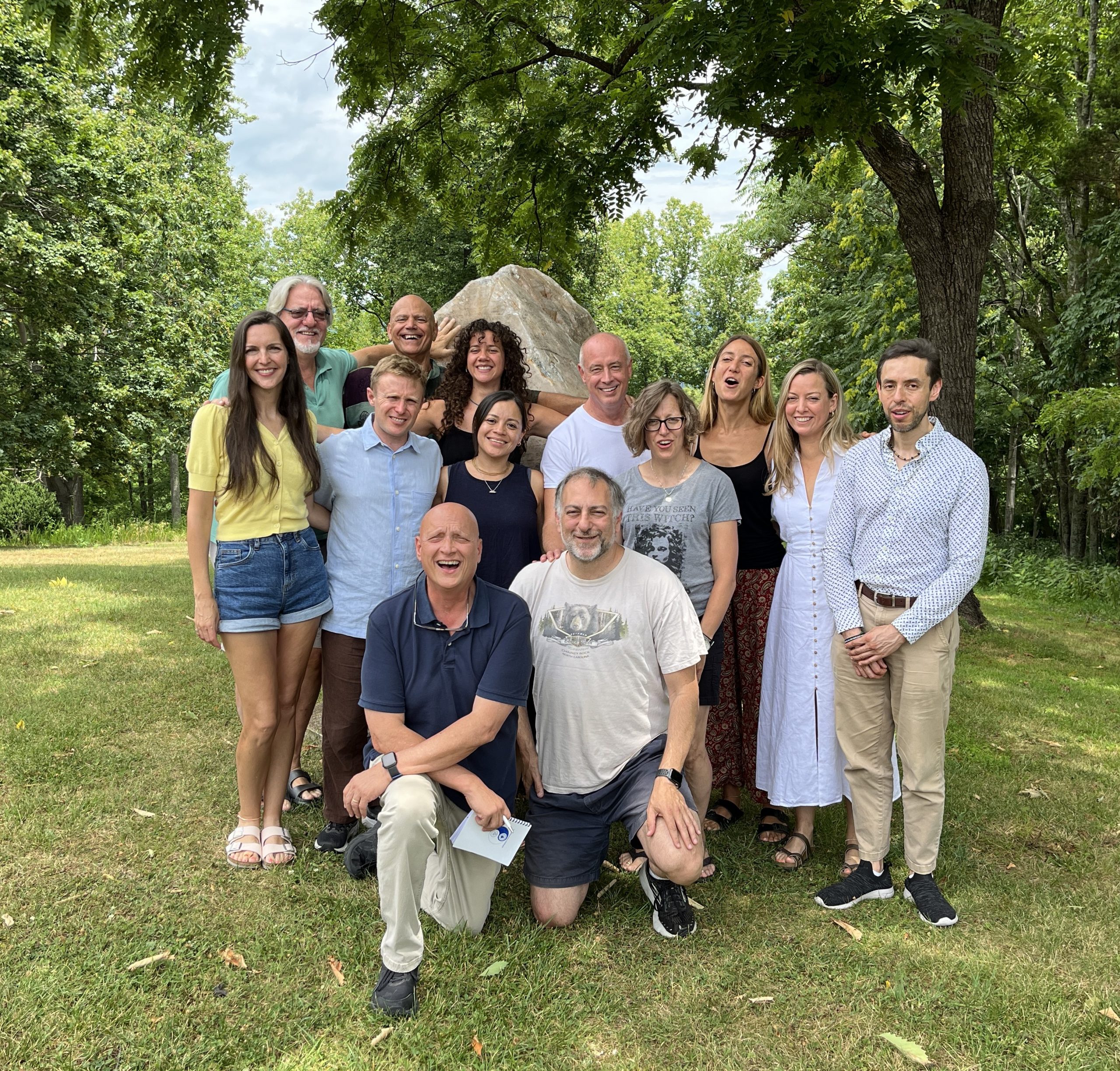
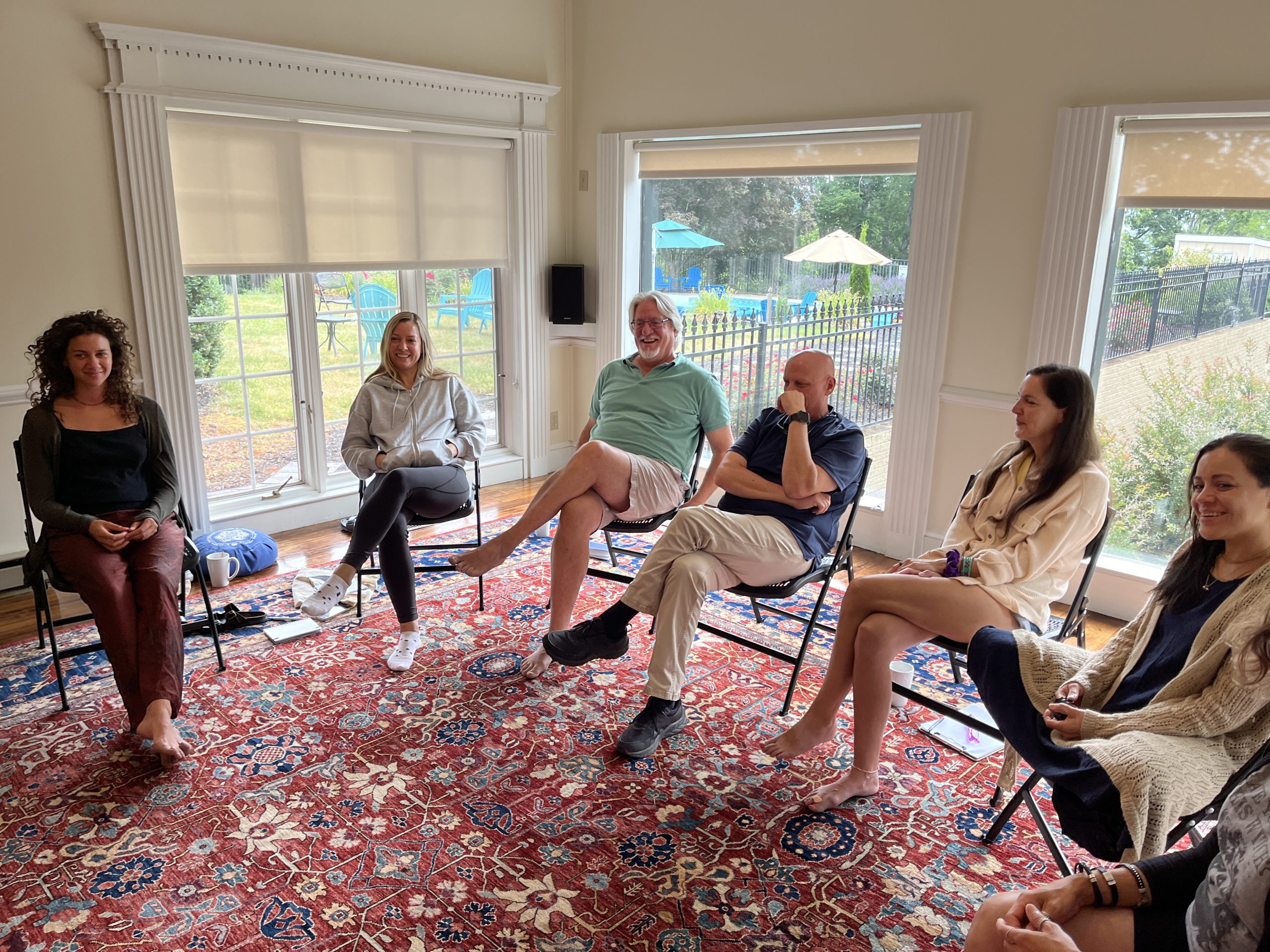
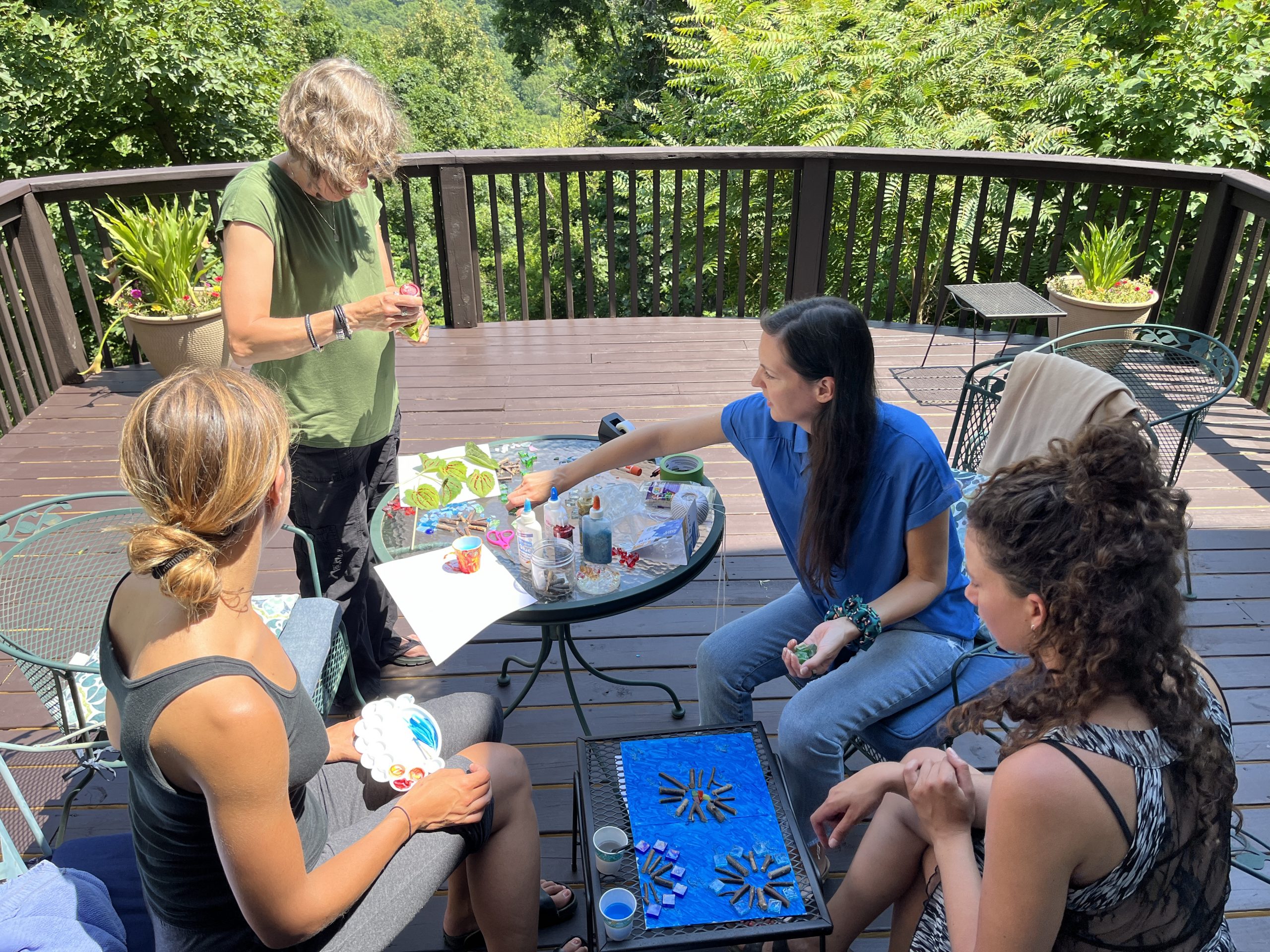
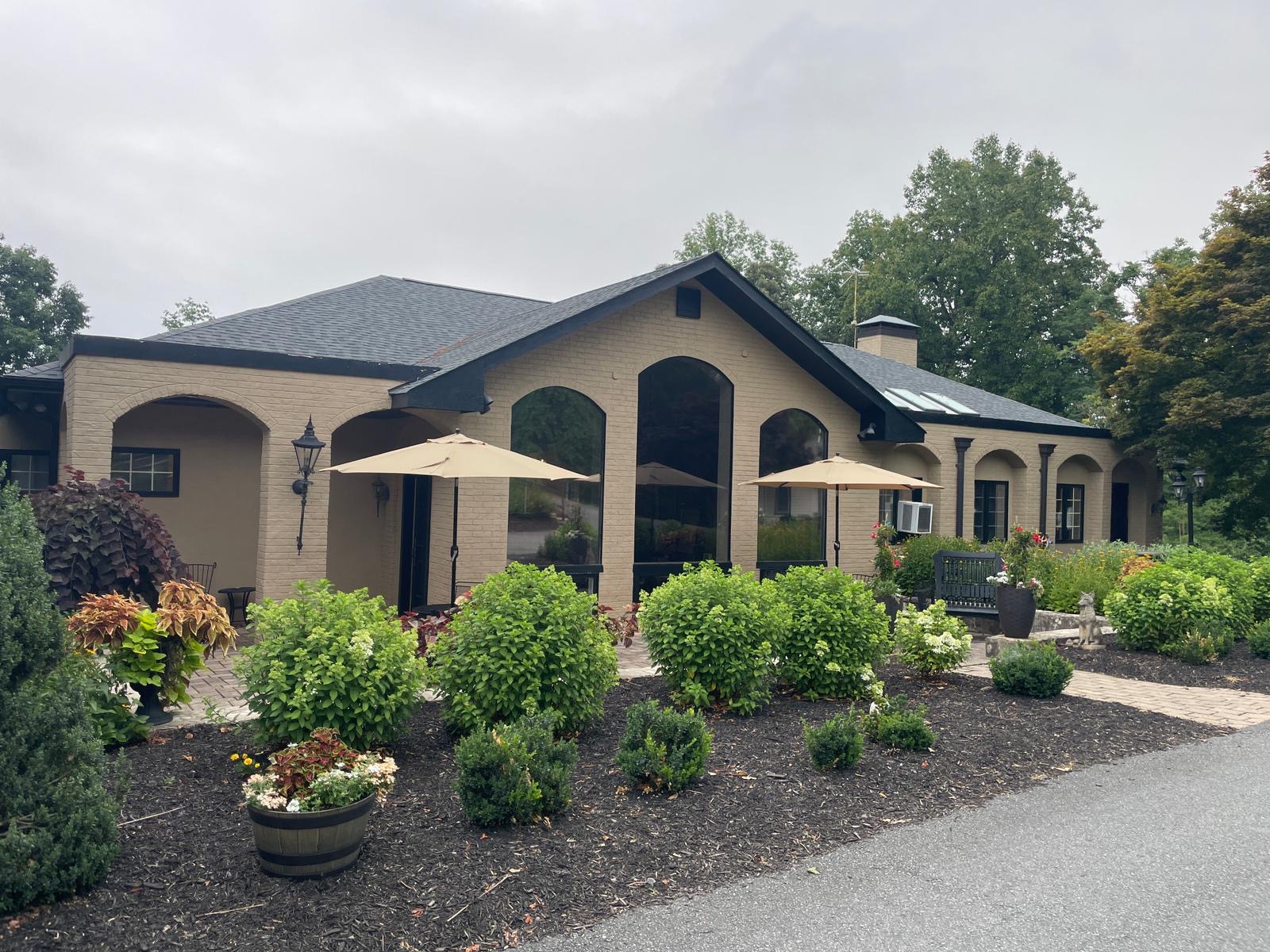
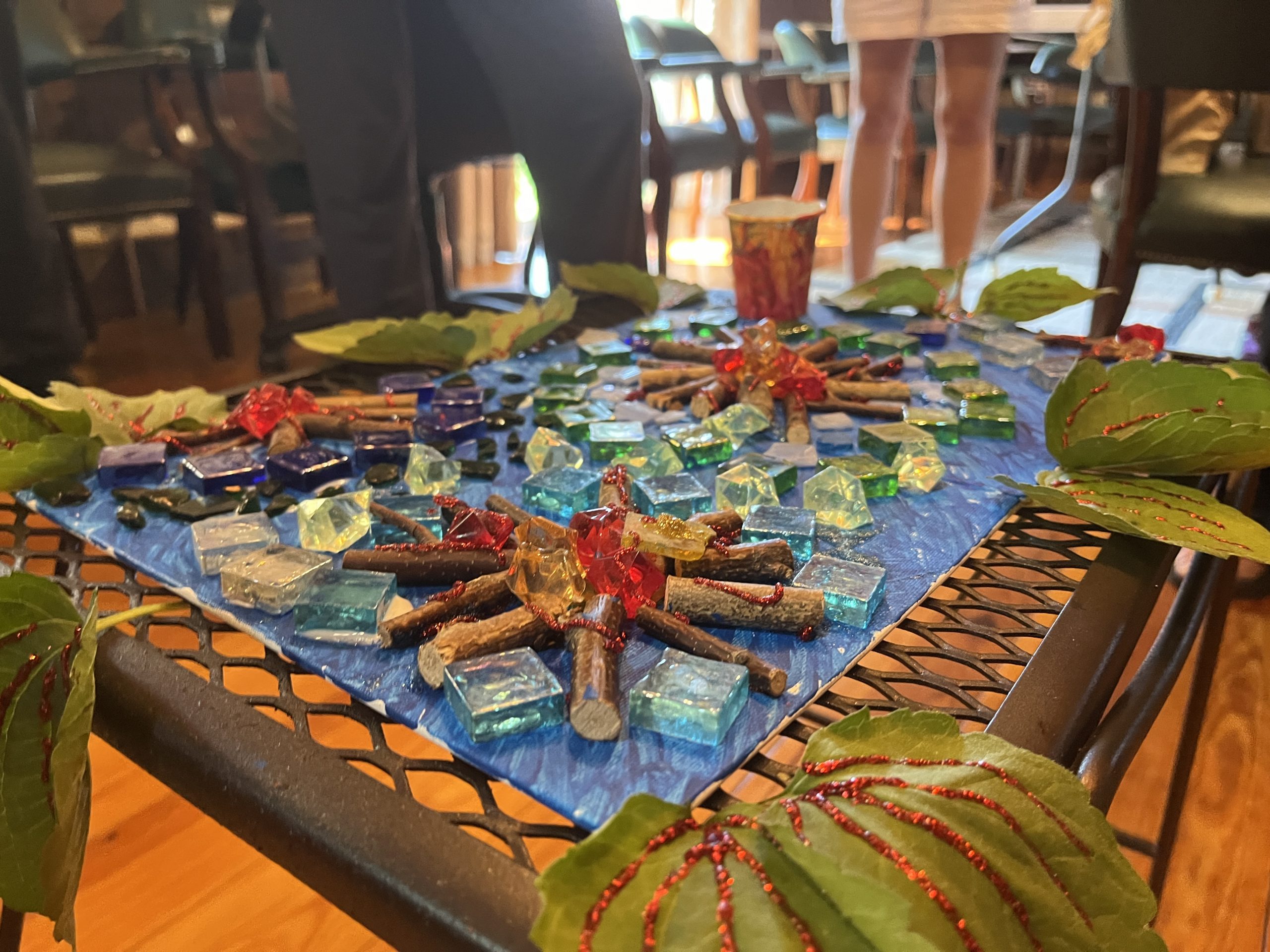
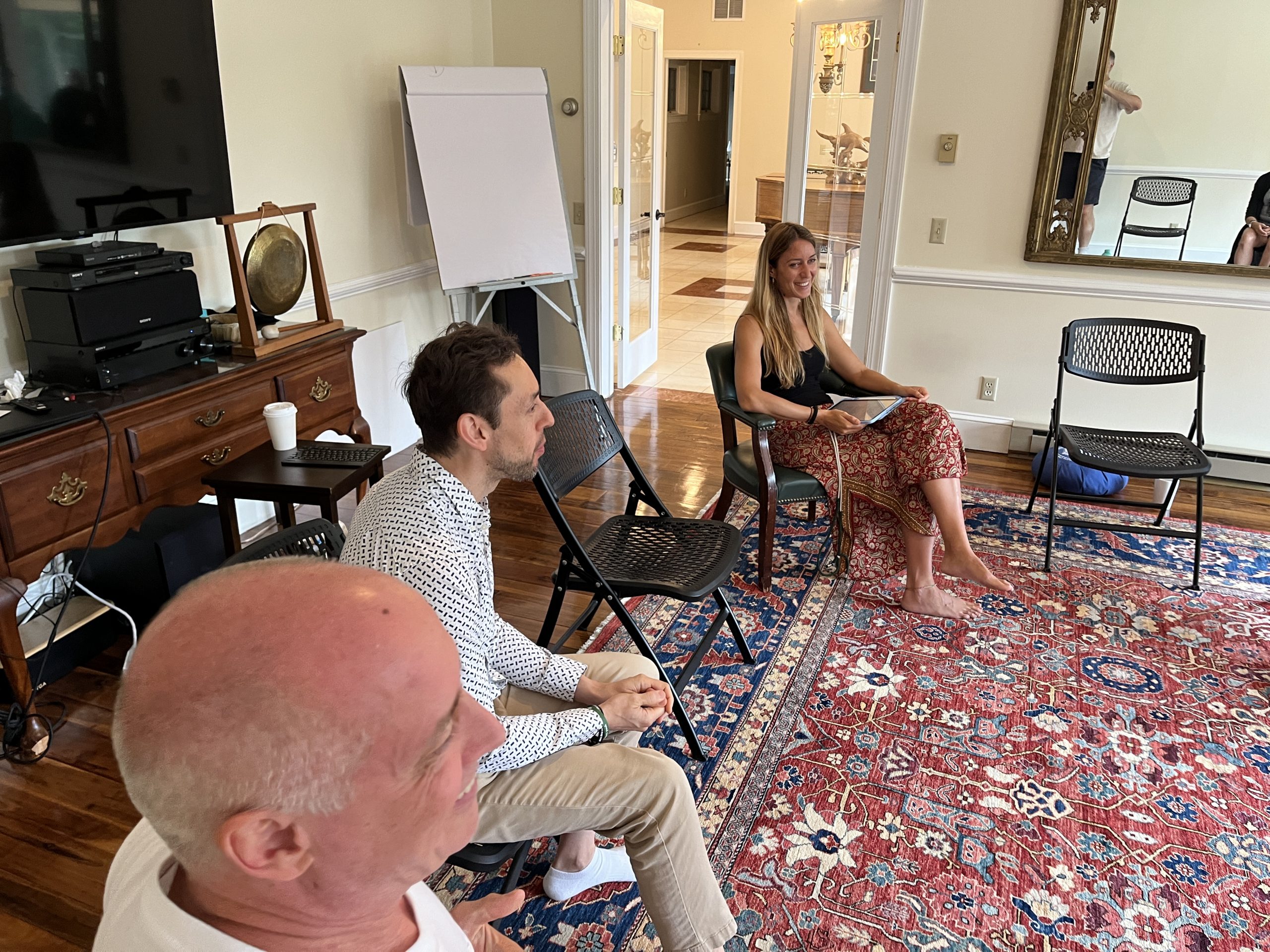
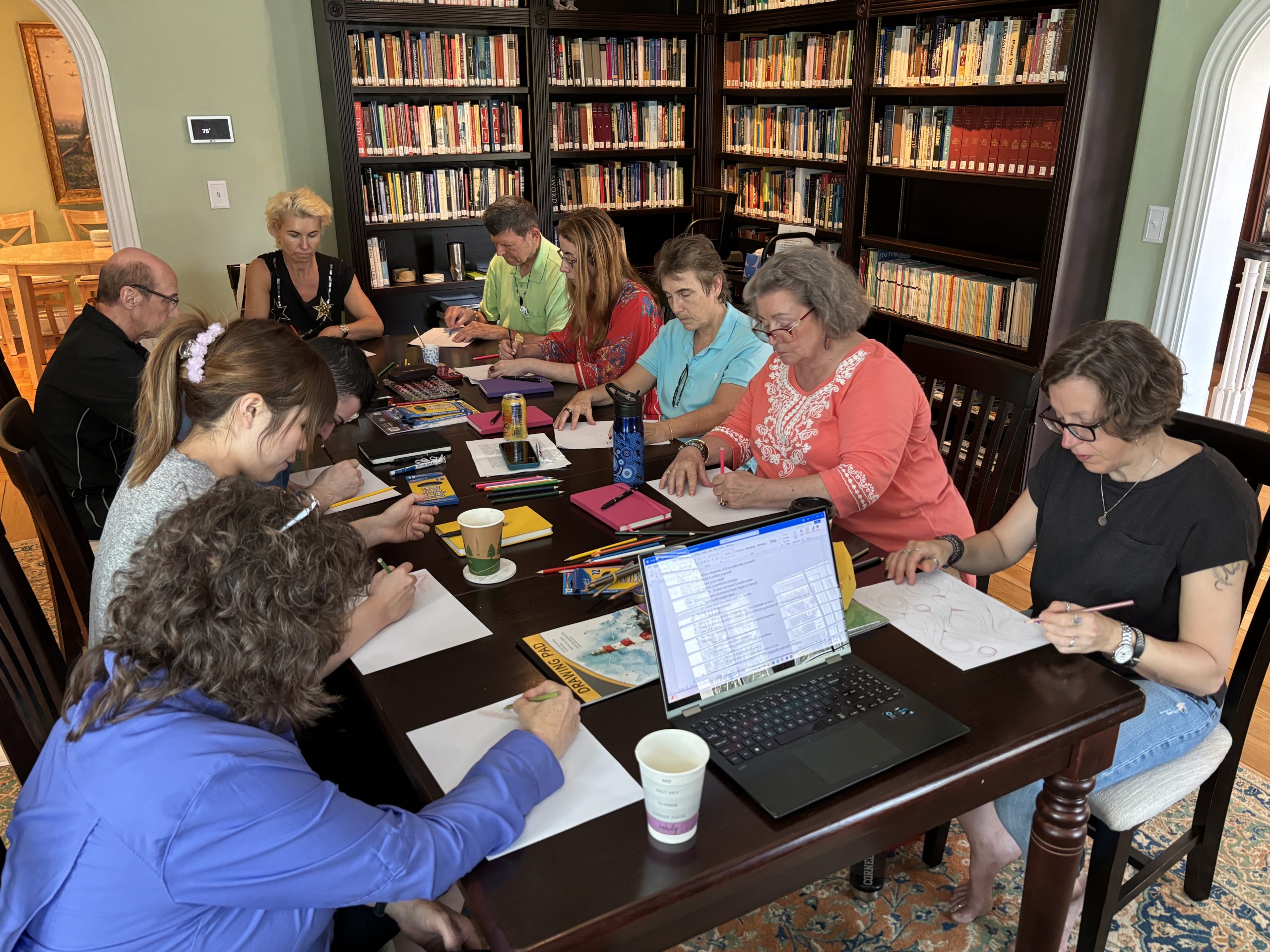
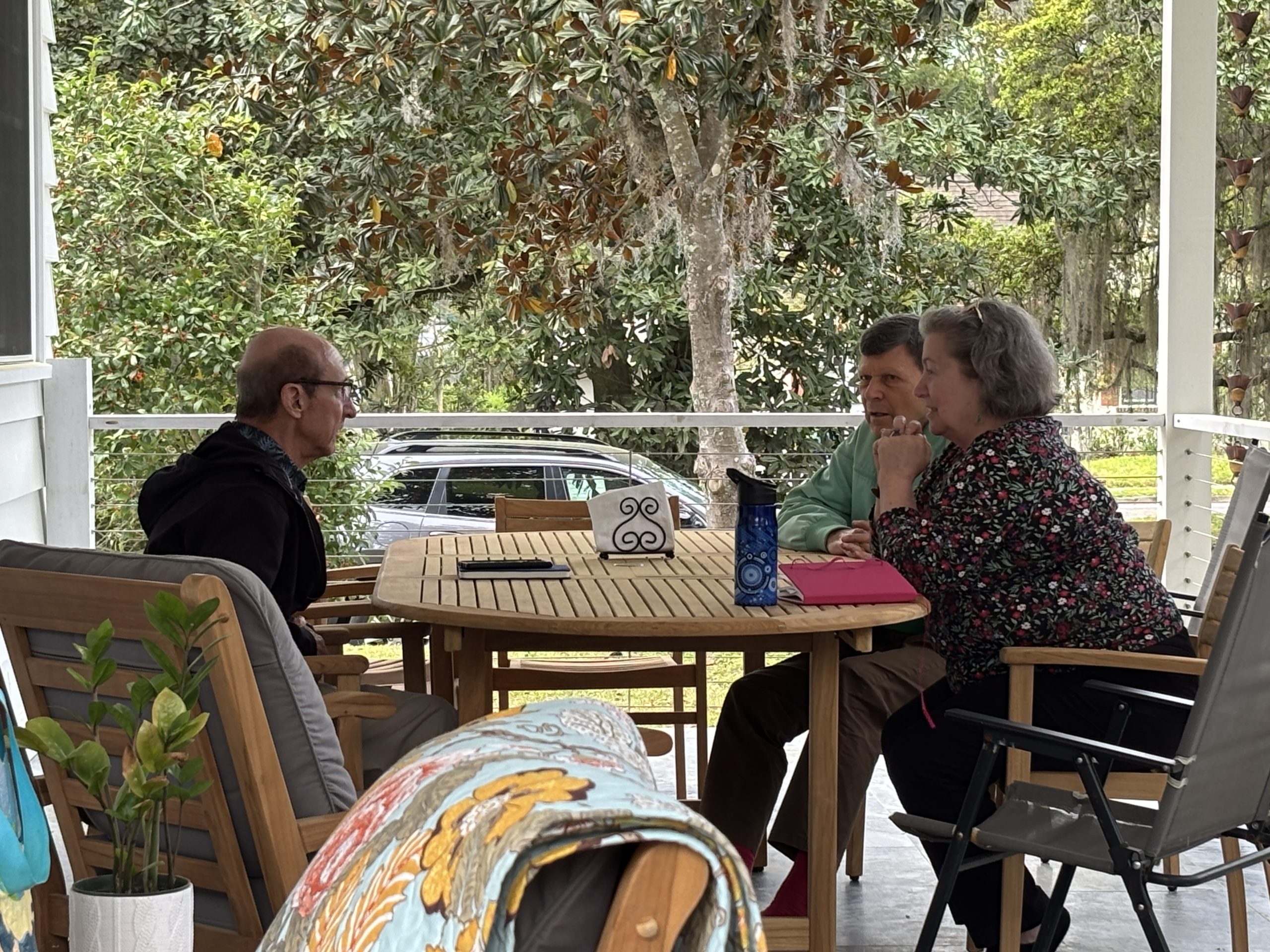
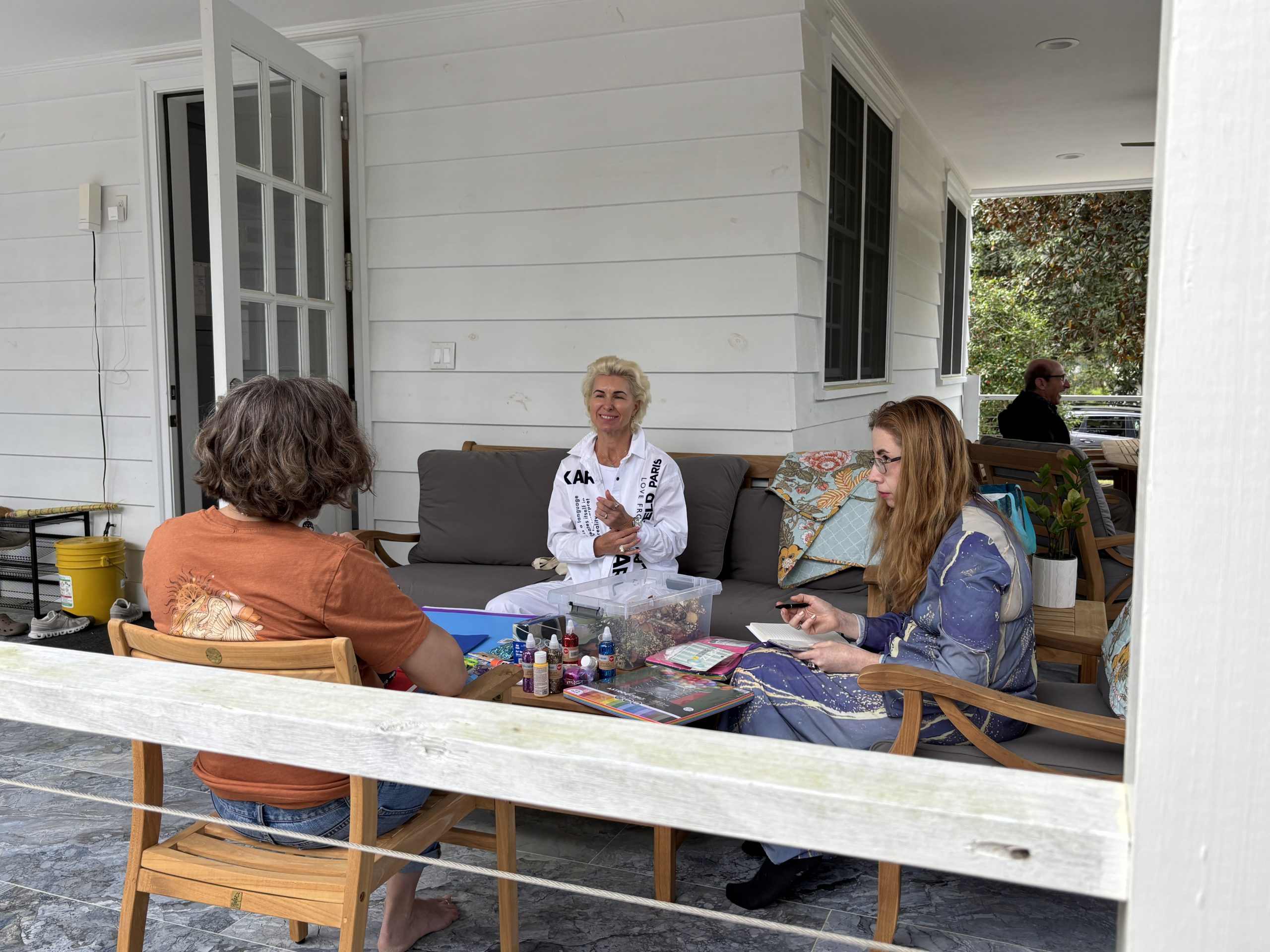
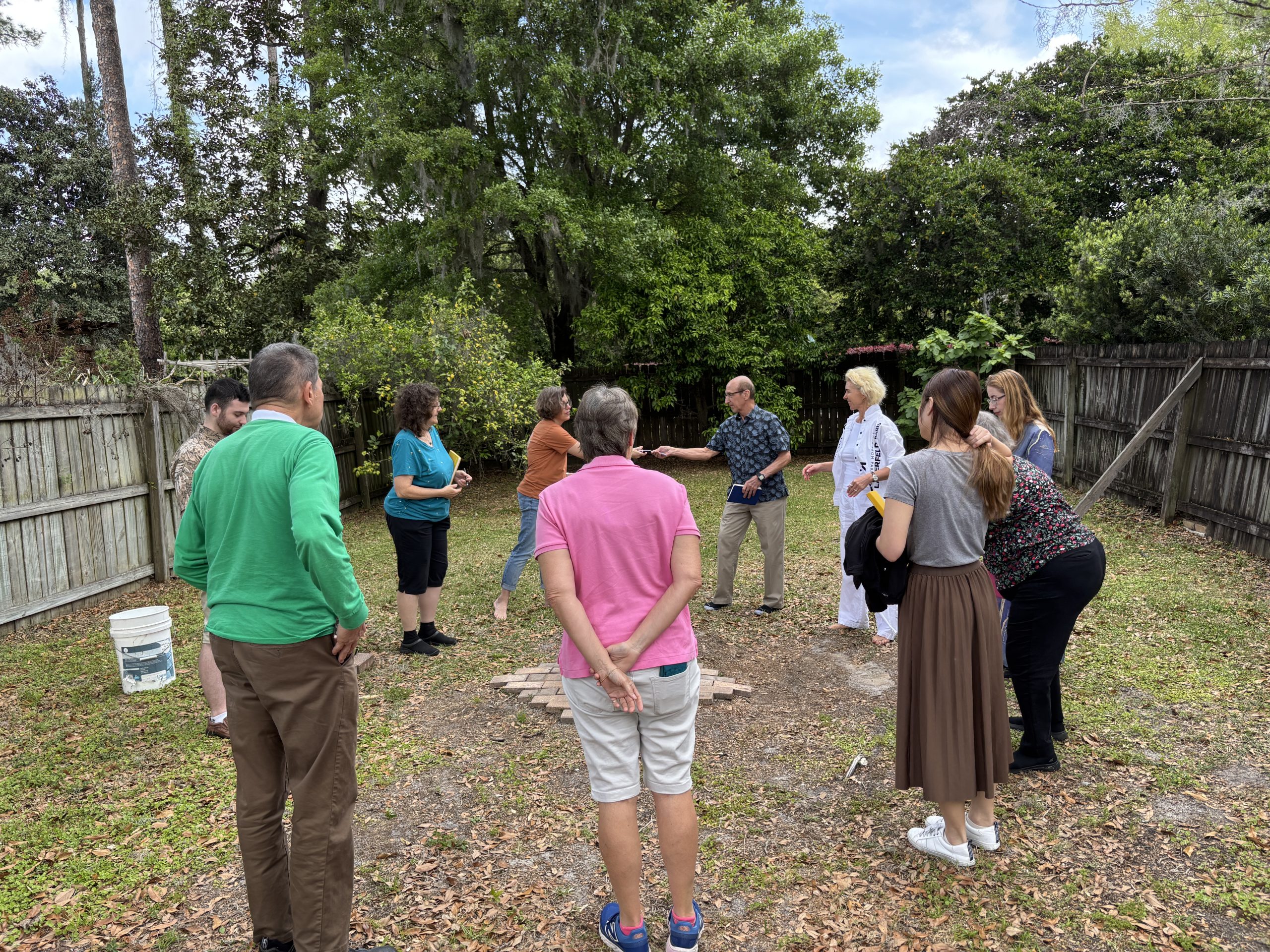
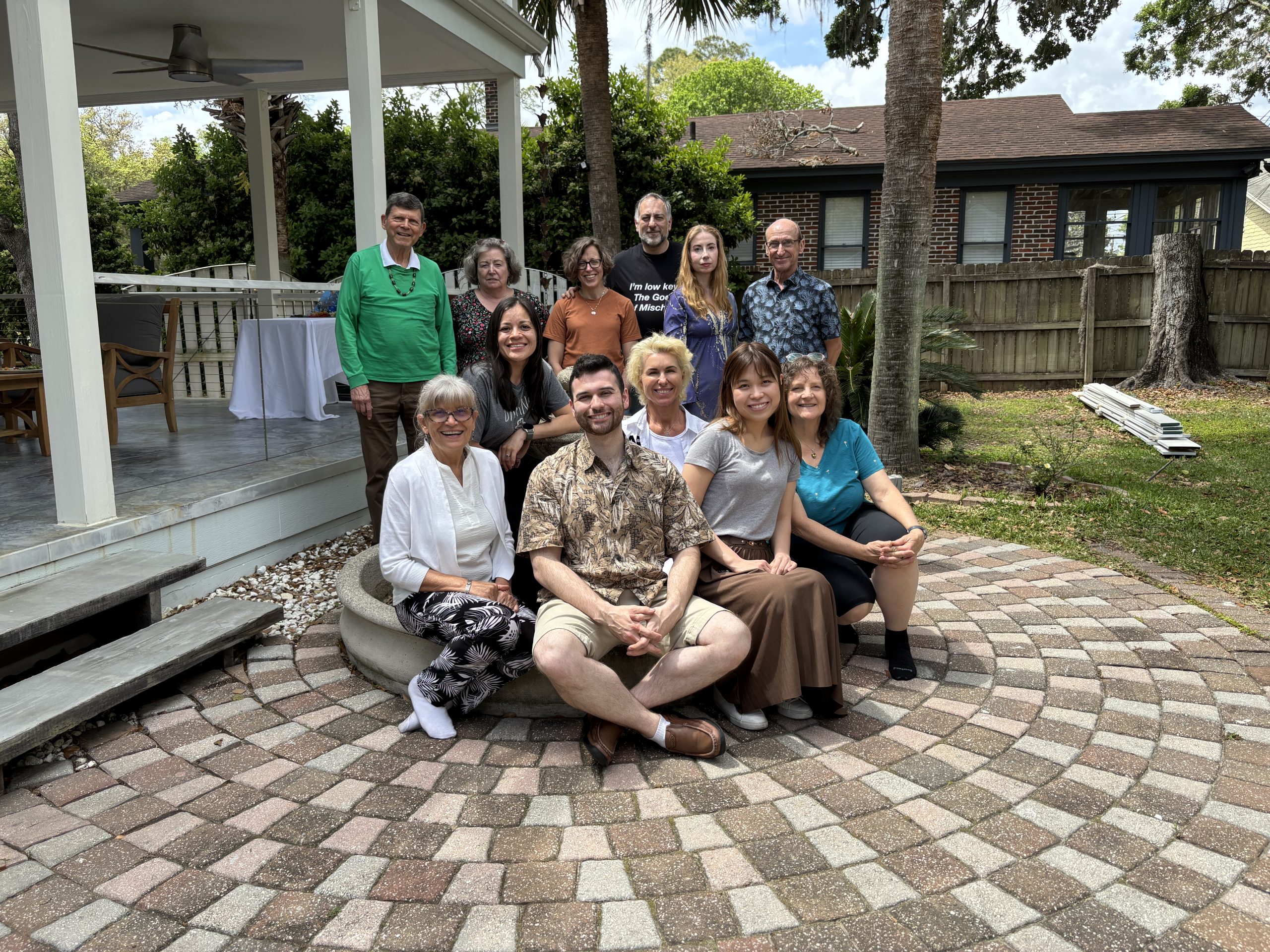
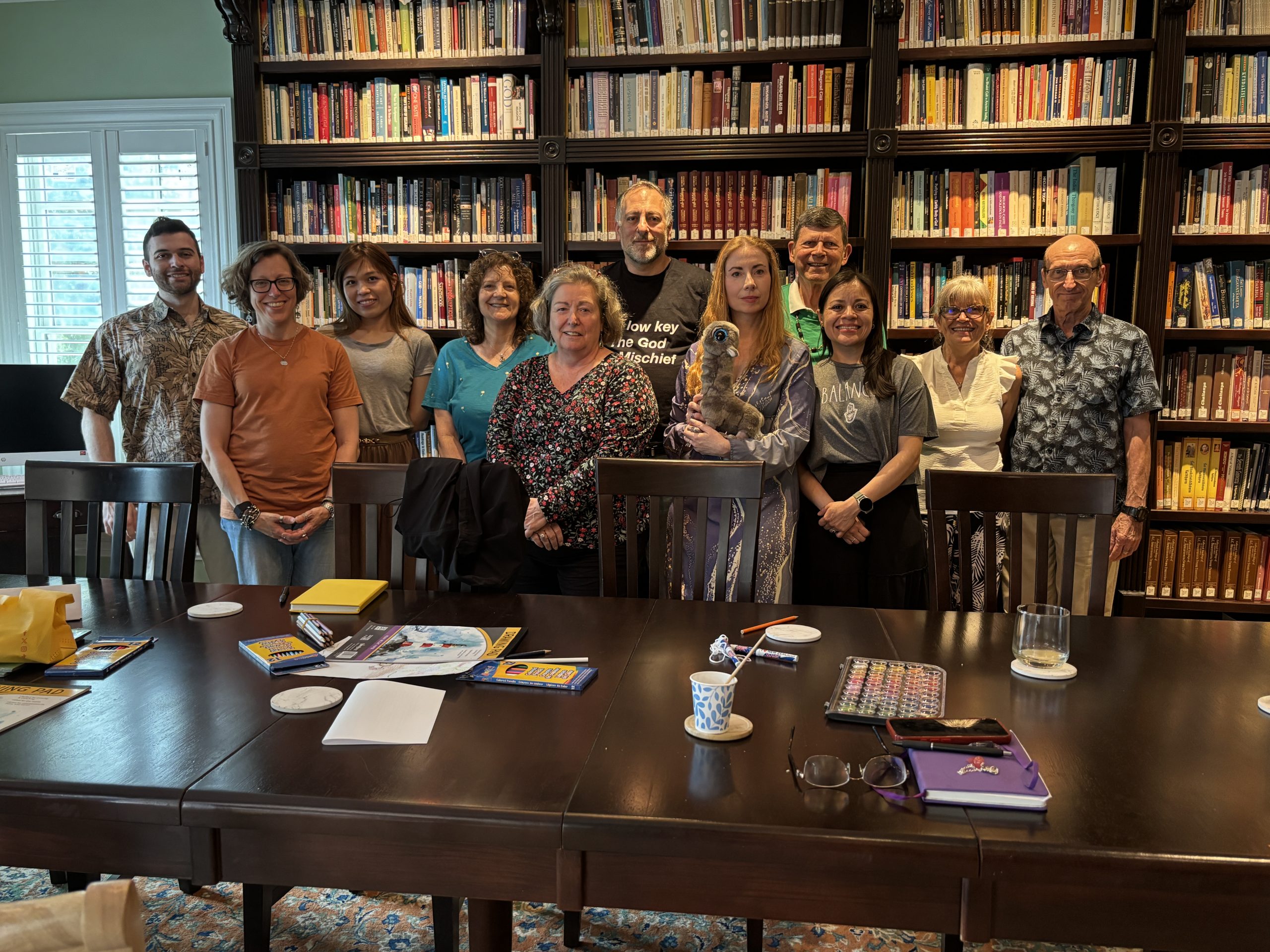
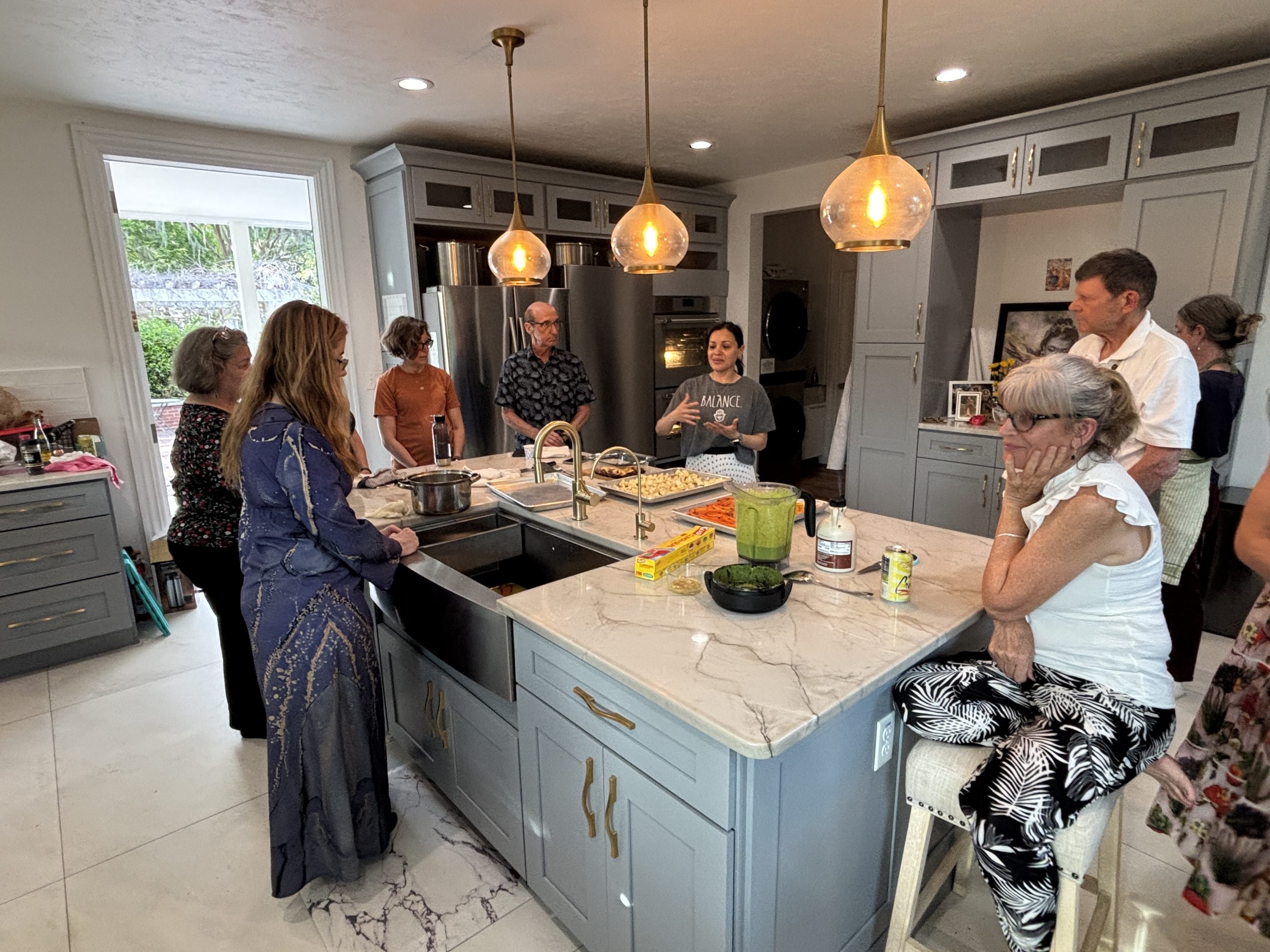
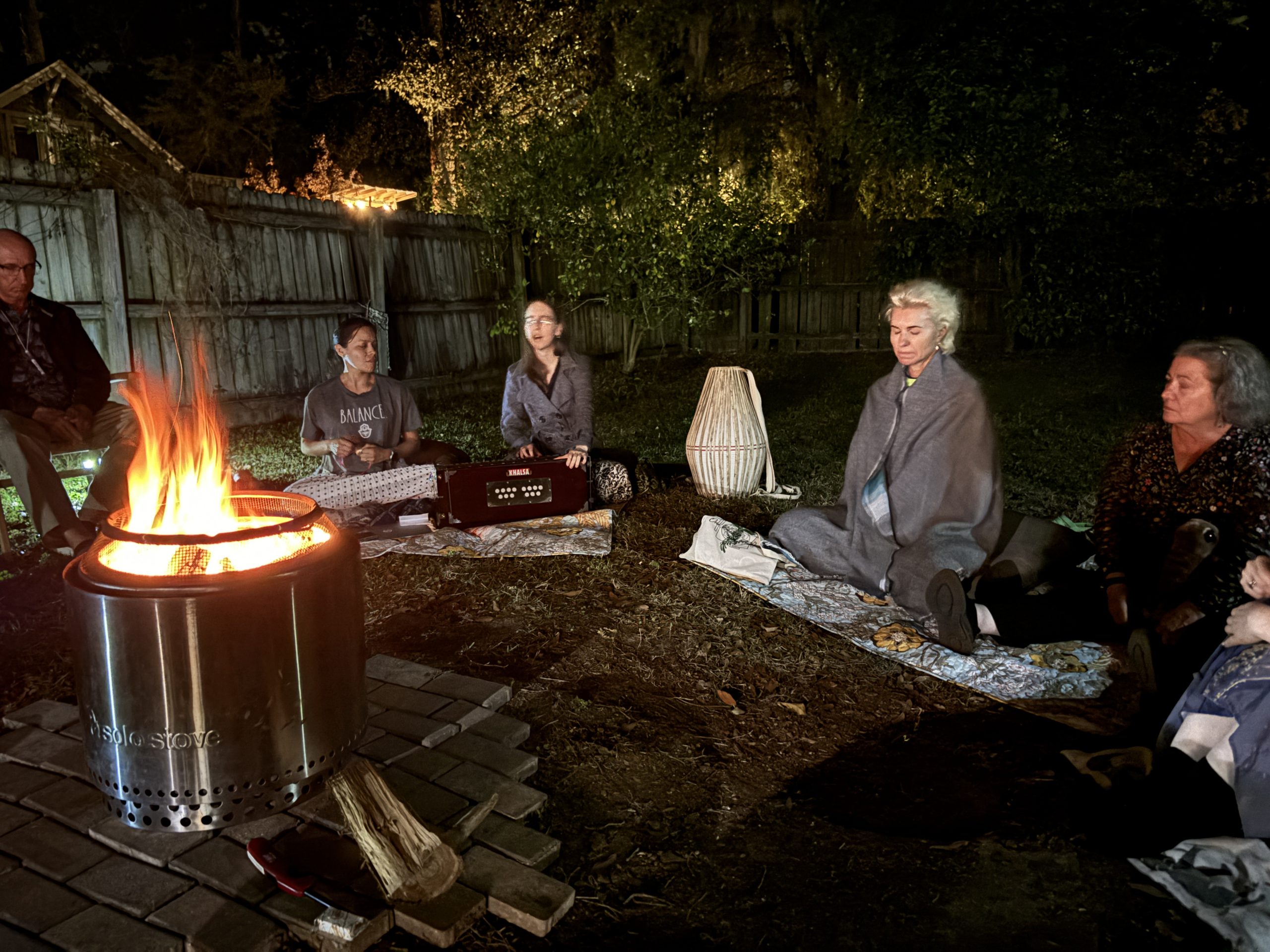
So what is a Consciousness Dialogues Retreat? During these four- or five-day events, a group of 12-15 participants come together in a supportive space to explore aspects of conscious experience as a group. Activities are always experiential, and range broadly in nature. Past experiences have included meditation, collaborative art, altered boundaries of consciousness, dance, authentic relating, and many others. Each group experience is followed by a discussion session in which we explore the activity at a more cognitive level, understanding the commonalities and differences between what everyone experienced. The retreats always include additional opportunities to come together as a group through social engagement, excursions to enjoy local attractions, etc.
As you will see from the posts that share details about the different instances, we strive to offer Consciousness Dialogue Retreats at different locations around the world, and with activities tailored to the backgrounds and interests of the participants (and sometimes even led by participants when they are interested in doing so). Each retreat is a unique experience, and feedback from our participants has made it very clear that we have tapped into something that is very much needed in today’s world.
Postings About CD Retreats

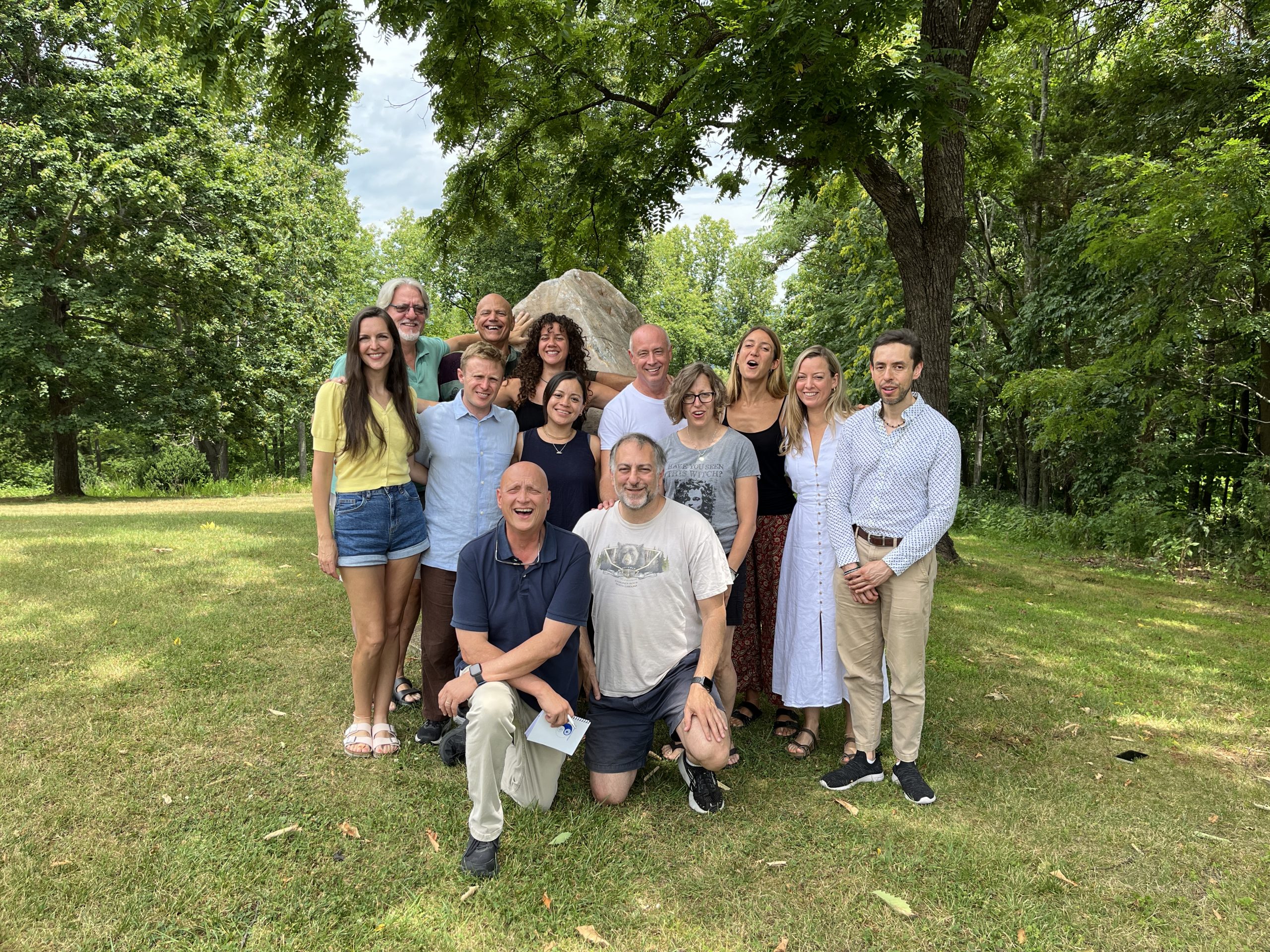
What Past Participants Had to Say...
- About the participants: “Diverse collection of open-minded, beautiful souls” … “Deep connection with others”… “The connection with wonderful people and the topic”… “So grateful to have met such a loving group of people willing to spend so much time and energy on these deeply (and sometimes deeply personal) discussions and activities”
- About the staff: “Masterfully facilitated, noticing the needs of the group and moving as necessary”… “Jeff reaffirmed the idea of challenging the edges and limits of every belief”
- About the experience: “It felt like a true exploration”… “[I loved] the balance between experiencing and dialogue”… “Great conversation and group dynamics”… “Loved the experience of holding both the WE-ness and our individual uniqueness”… “[The activities] took me deep immediately, and a lot of physical tension/pain I was having dissipated immediately”… “the more angles we brought together the more we observed overlaps in language that actually referred to the same [thing]”… “Beautiful experience with beautiful people!”… ” I came in not at all knowing what to expect, feeling somewhat tense and disconnected. I left with wonderful friends!”
- About the impact: “It was hard to go back to the ‘I’ space that is normal life after leaving that lovely ‘WE’ space we created”… “I learned there are many ways to both think about and access consciousness”… “I got many messages about how to take care of myself over the coming months”… “Shared we spaces experiences made me realize how little time we actually spend really looking at each other, taking each other in, feeling into the ‘we’ space in our normal life (especially w/those we are closest to and think we know)”… ” I gained some much-needed clarity”… “These found communalities are the new building blocks of a real WE – language around consciousness”… “It was an amazing retreat, where I feel I became a little more attuned to my intuition”… “It created a desire in me to have many more of these experiences.”
- What people liked most: “The opportunity to learn new perspectives from other people interested in exploring consciousness”… “As an introvert, I especially benefitted from the structured activities, which allow me to push my comfort zone”… “I loved trying a group REG exercise for the first time, the improv, and of course the food!”… “The interesting stories that emerged from the group’s interactions”… “New way of experiencing consciousness through art [and] discussion”… “I really appreciated the emphasis on reflection and dialogue threaded through the activities”… “The oscillation of independent reflection and community dialogue captured an essence of individual and collective consciousness”
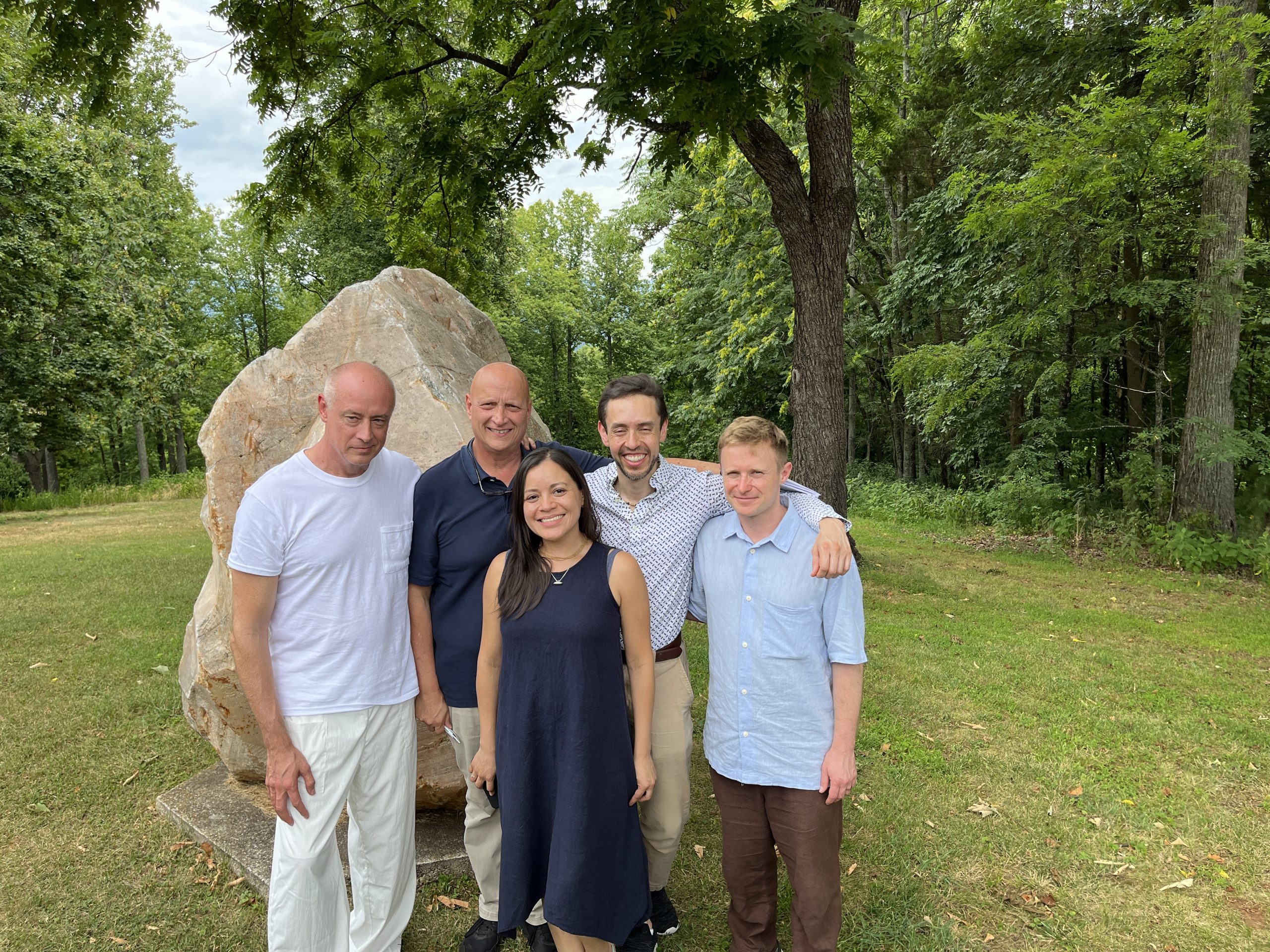

 Vasileios Basios is a physicist, conducting interdisciplinary research on the foundations of complexity science and nonlinear systems, self-organization and complex matter. During his formative years, he was tutored by Ilya Prigogine, at ULB where he received his PhD, and by Emilios Bouratinos on meditation and philosophy. He is currently interested in the complex interface between action and information. Other interests include the history of ideas in science and their role in the transformation of science beyond the prevailing naïve, materialistic, mechanistic-reductionist world-view. With others from PEAR, he initiated the Mind-Matter-Mapping Project and has since published several essays for ICRL. He is also a member of the Board of the Scientific and Medical Network and the Steering Team of the Galileo Commission. Vasileios is inspired by the prospect of introducing self-reflection into the practice and understanding of science, and the emergence of a Self-Reflexive Science of Consciousness.
 Bob (Brahmatirtha) was born in Newark, New Jersey, in 1949, completed his B.S. in Chemistry at Rensselaer Polytechnic Institute in 1971, and received his M.S. in Geology from Rutgers University in 1975. After a twenty-year career serving as a geologist and vice-president of a large regional environmental company, he currently works as an environmental consultant to state governments. He has been a member of the Bhaktivedanta Institute since the inception in 1976, giving a presentation at their First International Conference on Life Comes from Life in 1977, and working on a multitude of projects with R.L. Thompson (Sadaputa) from 1995 through 2008. He is also a certified court mediator. He now serves as the Director of the Bhaktivedanta Institute for Higher Studies.
 Ian Cook is a Professor of Psychiatry and Biobehavioral Sciences at the David Geffen School of Medicine at UCLA, where he directs the UCLA Depression Research and Clinic Program at the Semel Institute and was the inaugural holder of the Joanne and George Miller and Family Endowed Chair in Depression Research at the Brain Research Institute. He has been a part of the PEAR/ICRL family since 1980, when he was among the first undergraduate students to conduct research at the PEAR lab. He graduated from the Yale School of Medicine and pursued his residency training and research fellowship at UCLA. His research has focused on understanding the relationships among the mind, the brain, and the body, and in translating developments in technology into more effective treatments for disorders of mood and cognition.
 degree from Hollis University and has accumulated a diverse work experience, spanning multiple disciplines: education, technology, business and law, predominately in support and administrative roles. She currently works for the College of New Jersey in its Office of Disability Support Services. Lynn Ann has been an administrative assistant to ICRL’s President since 2011, and has extensive familiarity with the organization’s structure and activities, along with a deep commitment to its mission.


 The largest dataset collected at PEAR used Random Event Generators, or REGs. These devices were essentially electronic coin flippers that produced a series of 1’s and 0’s; operators were instructed to influence the machines to produce more 1’s than 0’s or vice versa.